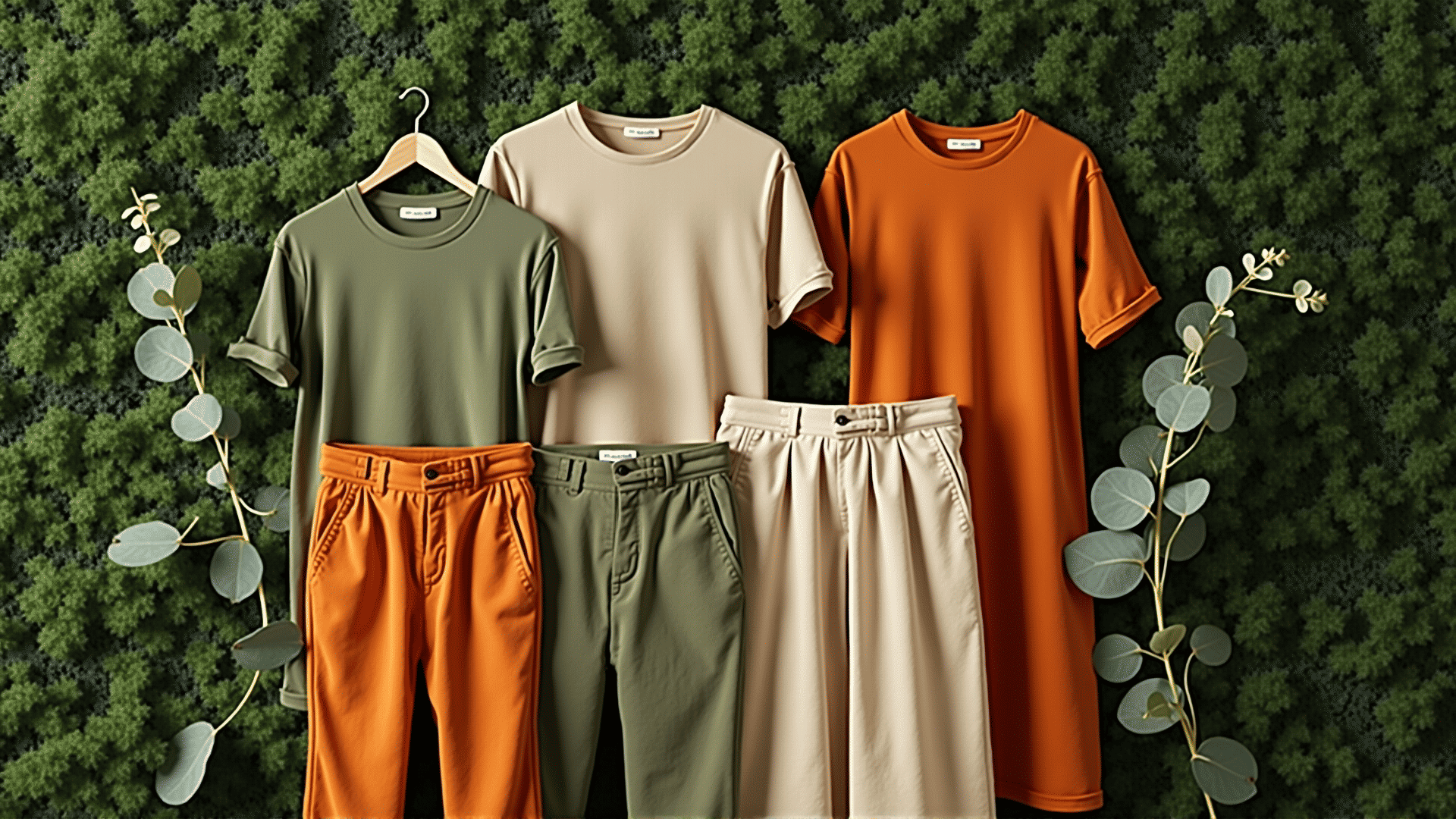
In recent years, the fashion industry has witnessed a significant shift towards sustainability, a movement that aligns style with environmental consciousness. This paradigm shift has produced a wave of collections crafted with the earth in mind, proving that fashion and sustainability can coexist harmoniously without compromising on aesthetic appeal.
The crux of sustainable fashion lies in its commitment to minimizing environmental impact. This involves adopting practices that conserve resources and reduce waste, which can range from sourcing materials sustainably to implementing eco-friendly production processes. By prioritizing these practices, designers can create collections that are not only stylish but also enable consumers to make more ethical purchasing decisions.
Sustainably sourced materials are at the heart of this movement. Organic cotton, linen, hemp, and even recycled fabrics are increasingly being used to replace conventional materials that are often harmful to the environment. These alternatives are not only biodegradable but also free from toxic pesticides and chemicals, ensuring a safer, eco-friendly product. Additionally, innovations in textile technology have introduced new fabrics such as Tencel, made from sustainably harvested wood pulp, which further expands the palette of eco-conscious materials.
The principles of sustainability extend beyond the materials themselves. The manufacturing process is equally crucial, with an emphasis on energy efficiency and waste reduction. Many sustainable brands are turning to small-batch production, which reduces overproduction and minimizes waste. Moreover, ethical labor practices ensure fair wages and safe working conditions for all involved, promoting a more equitable industry.
Beyond production, the concept of a circular economy is gaining traction within sustainable fashion. By encouraging practices such as recycling, upcycling, and repair, brands can extend the lifespan of their products, keeping them in use and out of landfills. This not only conserves resources but also encourages consumers to see garments as investments rather than disposable items.
From a stylistic standpoint, sustainable fashion is bursting with creativity and innovation. Designers are challenging the notion that eco-friendly fashion is limited or unstylish. On the contrary, the constraint of using sustainable materials often drives creativity, resulting in unique textures, colors, and patterns that set these collections apart. Consumers are now presented with a diversity of options, from minimalist designs to bold, vibrant pieces, all crafted with the same ethical considerations.
Furthermore, sustainable fashion emphasizes timelessness over trends. This encourages the creation of versatile, classic pieces that can be worn season after season, reducing the need for constant wardrobe turnover. This approach not only aligns with sustainable practices but also fosters a more personal connection between the wearer and their clothing.
As awareness of environmental issues grows, so too does the demand for sustainable fashion. Consumers are increasingly seeking transparency from brands, favoring those who openly share their sustainability efforts and commitments. This dynamic is pushing brands to innovate continuously, making sustainability an integral part of their identity rather than an afterthought.
In conclusion, sustainable fashion is not just a trend but a fundamental shift in how the industry operates. It demonstrates that it's possible to wear stylish, high-quality garments while also being mindful of our environmental footprint. By embracing materials, production methods, and consumer practices that prioritize the planet, sustainable fashion offers a blueprint for a more responsible, eco-friendly future.